
Clinical supervision and professional support
South Hobart Garden Studio
4-6pm
2 Feb 2027 - 22 June 2027
A 6-month, in-person closed clinical supervision group for health professionals at the South Hobart Garden Studio. Start
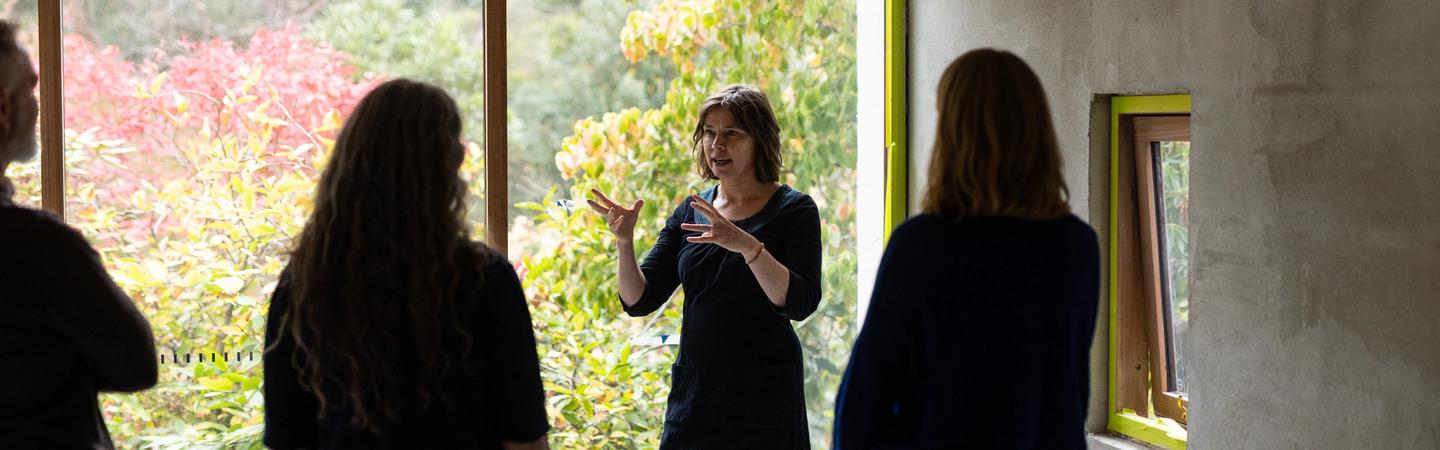
Nourishing therapists, clinicians and service providers to hold onto themselves whilst holding space for others. Tempo offers evidence-based, practical and immersive supports and professional learning, incorporating neuroscience, and creative arts, music and somatic processes, within a framework of social justice, community and collective care.
Clinical supervision and professional support
South Hobart Garden Studio
4-6pm
2 Feb 2027 - 22 June 2027
A 6-month, in-person closed clinical supervision group for health professionals at the South Hobart Garden Studio. Start

Clinical supervision and professional support
South Hobart Garden Studio
5 - 7pm
4 Feb 2027 - 24 June 2027
Reflective practice and clinical supervision for doctors, in person in Nipaluna/Hobart or online across Australia and New Zealand. Small closed group, creative and embodied process.

Clinical supervision and professional support
Zoom online
Online clinical group supervision for therapists, allied health and medical clinicians across Australia. Small closed group, creative and embodied process.

Clinical supervision for therapists, clinicians and service leaders in Hobart and online. Individual supervision, group supervision and professional learning.

Trauma-informed therapy in Hobart and online, including healthcare workers and helping professionals. Ongoing individual therapy and therapy intensives.
Not sure what's best for you or your team? Contact me for a chat to see how I can support you.

I'm Minky van der Walt:
I know very well the toll that caring for others can take.
I’ve worked in large public hospitals, small private hospitals, primary schools, high schools, early childhood centres, community mental health and child and adolescent therapy services.
I have extensive experience in providing therapeutic support to families, individuals and services experiencing extreme stress, and working alongside, and in consultation with, the educators, emergency service workers and health professionals who support them.
I know the impact of this work.
Find out more about MinkyStay up-to-date with the latest blogs, workshops, group programs, events and exclusive offers.
Sign up for the newsletter below - your privacy will be respected and only relevant information will be sent.


The Seven-Eyed Model: Why Clinical Supervision Is About More Than the Client
What is the Seven-Eyed Model of supervision? An introduction to the seven modes developed by Hawkins and Shohet, and why good supervision attends to more than the client and the intervention.

Why the work stays with you and why self-care isn’t the answer
Why the work stays with therapists and clinicians after sessions, and why self-care isn't the answer. If you can't switch off, you lie awake replaying sessions, and you feel like nothing you do is helping, this is not a resilience problem. Here's what's happening, and what helps.

A Dual Focus for Mental Health in Healthcare: Building Cultures of Care
The statistics around mental ill-health in the healthcare workforce are sobering, yet the solutions aren’t only found in systems, policies, or programs. They also live in people: the individuals and teams who show up, care deeply, and carry the weight of that care. To create truly sustainable change, we need a dual focus that addresses both systemic culture and individual wellbeing practices. It’s about learning how to be well, do well, and stay well - together.

Three key considerations for implementing clinical supervision in healthcare settings
What might be some important considerations for workplaces when seeking professional supervision for healthcare staff? What are some of the key issues to consider when implementing clinical supervision? What are the barriers? And how can organisations ensure the best return on their investment? See below to set your workplace up for successful outcomes in supervision.

The Helping Professionals Interview Series (Part 5): Finding Hope in Healthcare
The first four blogs in this five-part series have illuminated the significant challenges faced by workers in helping roles in Australia, and the need for change if we are going to sustain a stable and healthy workforce in healthcare and education. The statistics are dire, but there is a way forward. This blog explores how we can nurture hope in healthcare and education through presence and connection.

The 'Joy - Pain Spectrum' in helping: mitigating risk and finding support (Part 5/5)
This five-part blog series of the 'Joy-Pain Spectrum' has explored the opportunities for growth, hope and positive change that help to protect us and mitigate the risks associated with the challenges of helping others at the other end: burnout, vicarious trauma, compassion fatigue (empathic strain) moral injury and secondary traumatic stress. So how do we protect ourselves? How do we maintain our healthy selves in relation to helping work? The answer lies in the need for cultural, political and organisational shifts, as well as the need for BOTH individual and collective supports.
Header image: Adam Gibson