
Creative and Embodied Group Supervision
Online clinical group supervision for therapists, allied health and medical clinicians across Australia. Small closed group, creative and embodied process.
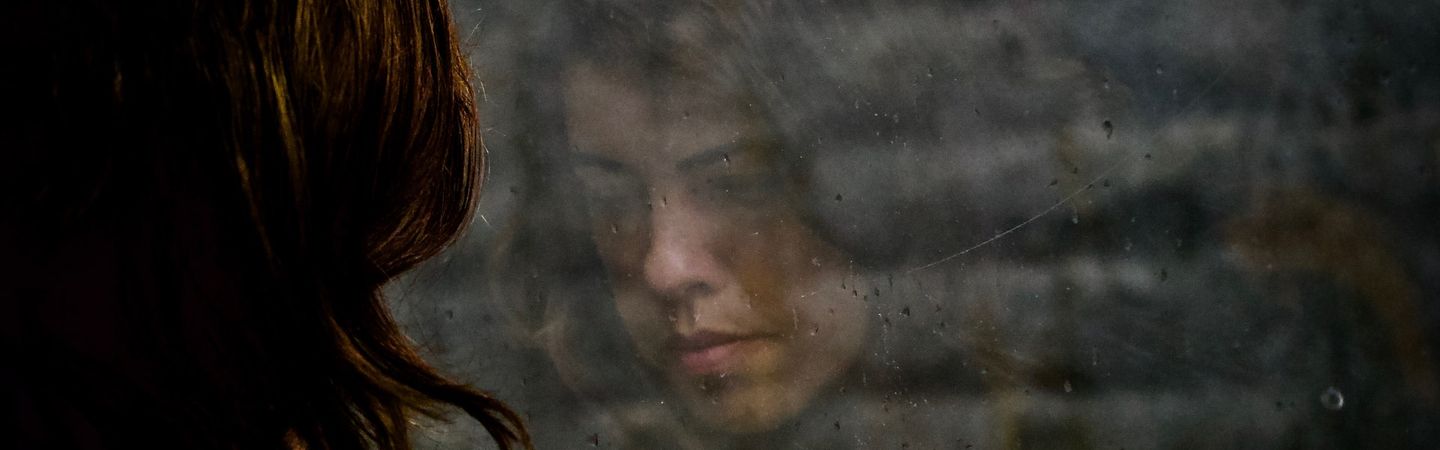
We have a culture of taking people who want to care for, provide, and nurture (others) … a really compassionate person. So why do we blame that person for having that much empathy?
This week has been tough.
With all the omicron news, the stress, anxiety and overwhelm are palpable.
And like many Australians with friends and family testing COVID positive, it is all very close to home.
So too, is the tightness I feel in my chest every time I talk to, see, hear about, and meet overwhelmed healthcare workers and teachers.
And there is the constant flow of articles about overworked, stressed out, and in-the-process-of-resigning healthcare staff who are being asked to isolate for shorter periods of time, and / or to work COVID positive if asymptomatic.
Not to mention educators returning to classrooms full of uncertainty, ever-changing rules and increased chores relating to protective COVID-screening requirements.
Any way you look at it, the amount of pressure on helping professionals right now is huge.
If we're looking at a hierarchy of needs, the notion of 'self care' and it's association with individual responsibility, seems trite at best, and dangerous at worst.
The thing is, self care is a misnomer.
To clarify, taking responsibility for our own wellbeing is essential.
However, if the system is broken, self care is not going to
As Alex Iantaffi and Meg-John Barker talk about in their book, 'Hell Yeah Self Care' (essential reading by the way!), the very notion of self care is problematic, as it individualises a problem that is the result of overloaded and toxic systems.
Individuals not coping is a normal response to extreme pressure over a long period of time.
So often we internalise and individualise systemic problems: I’m not taking care of myself enough; I’m not doing enough self care. When actually what we are trying to do is survive under capitalism in a system that doesn’t allow enough time or resources for us to care for ourselves and one another.
Women make up over 70% of the education, health care and social assistance workforce, and undertake 50% more than men of the unpaid household chores and caring responsibilities.
When you add to that the emotional and mental load, largely carried by women, and exacerbated by the COVID-19 pandemic, the current and cumulative burden on women at this time is enormous.
Not only are we trying to survive ever-changing policies and protocols within complex systems whilst also home-schooling our kids, we are trying to do this in the midst of a pandemic.
And the research on the impact of all of this is in:
So, rather than put the impetus on individuals to manage their ‘self care’, lets look at the causal factors here.
We all are marginalised or oppressed to different degrees.
As a Western, white, cis-gender, middle-class woman, I have enormous privileges.
To name a few:
On the other hand, according to the Australian Bureau of Statistics, I am five times more likely to be sexually assaulted than men, and I earn 14% less than men. Further, in 'The Future Face of Poverty is Female' report I see that my superannuation payout is likely to be 42% less than men.
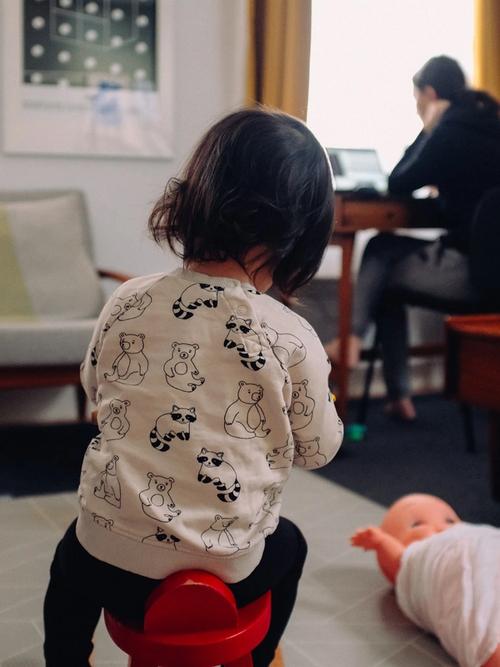
A relatively new concept (to me) worth exploring in relation to this, is that of 'Human Giver Syndrome', coined by Kate Manne in her 2017 book 'Down Girl: the Logic of Misogyny'.
Human Giver Syndrome describes the phenomenon whereby there are two classes of people:
This is a complex dynamic, whereby the human givers support the needs of the human beings, with a smile, without complaint and whilst looking good. As Kate Manne puts it, it’s an “assymetrical moral support” landscape.
Sound familiar?
Whilst there are many men who are human givers, it is without doubt women who have held and continue to hold, this role.
I'm not talking about anything new here; but we do need to focus on ways to challenge the broader cultural, structural and financial systems that serve some, and use others.
The levels of burnout and exhaustion within themselves and witnessed amongst colleagues were keenly noted amongst those who participated in these interviews.
Caring for myself is not self indulgence. It is an act of self preservation and that is an act of political warfare.
If you have found the content of this blog to be distressing, or to have touched into something for you, the following services can be contacted for immediate support:
Alternatively, please feel free to be in touch here.
If you'd like to see other blogs in this five-part 'The Helping Professionals Interview Series', please see the first blog in the series here and the accompanying infographic here.
Creative and Embodied Group Supervision
Online clinical group supervision for therapists, allied health and medical clinicians across Australia. Small closed group, creative and embodied process.

Hobart Group Supervision Collective
A 6-month, in-person closed clinical supervision group for health professionals at the South Hobart Garden Studio. Start
Header image: Tiago Bandeira